Before
- 01Prepare operator data
- 02Assign routes manually
- 03Reconcile changes
- 04Complete operational setup
01 · B2B SaaS · AI-assisted operations
I owned the product vision, roadmap, and MVP for a cross-platform scheduling SaaS. The central product challenge was not adding AI for its own sake; it was reducing manual route work while preserving operator control.
The situation
Dispatch workflows involved repeated manual route assignments and operational setup that could stretch across days. Feedback from dispatchers became product requirements and exposed the workflow bottlenecks the MVP needed to remove.
My responsibility covered the whole product loop: shaping the vision, sequencing the roadmap, deciding what the first useful release needed, and defining the events required to measure adoption and friction after launch.
The product is live on the web and published on the App Store.
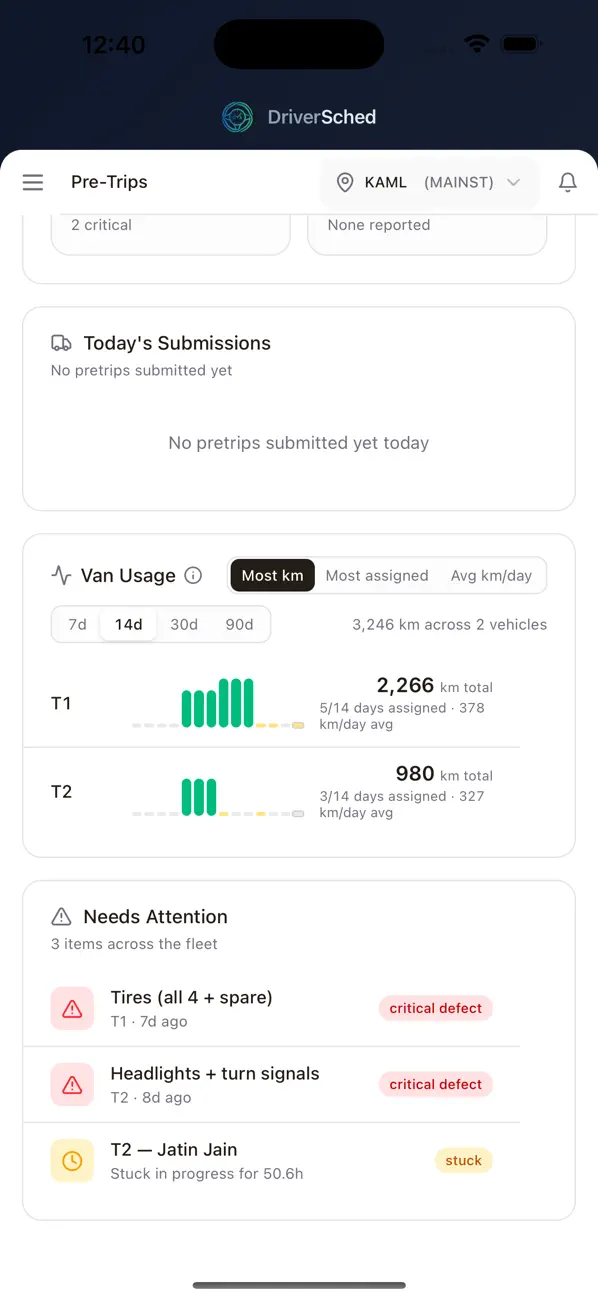
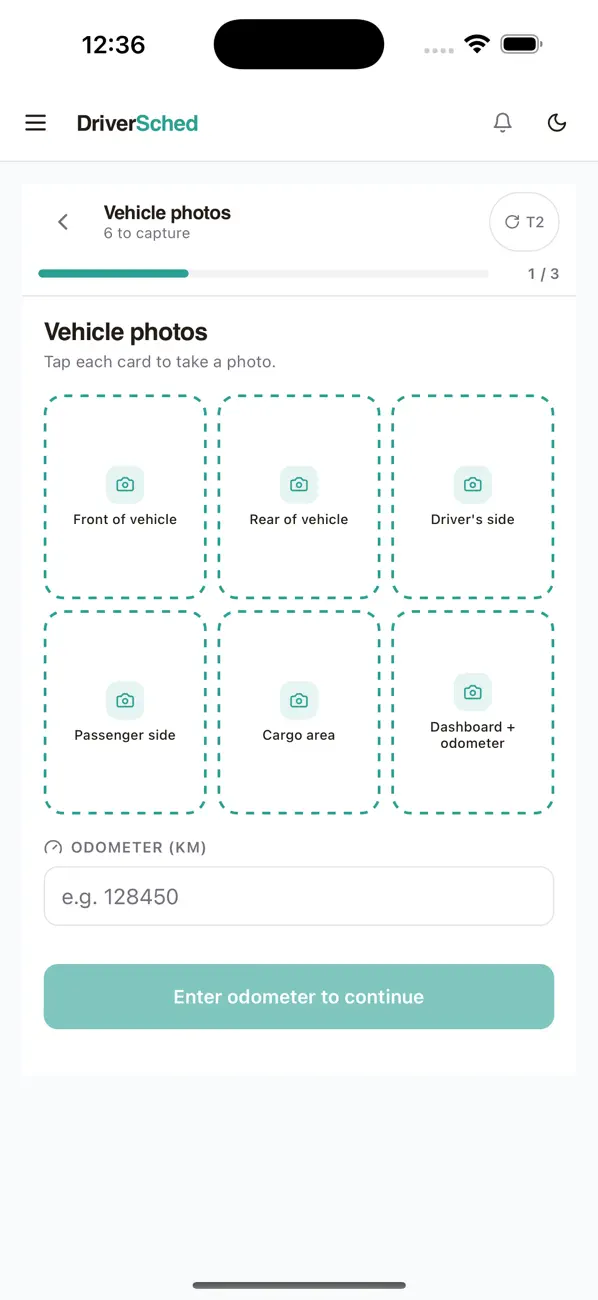
Move repetitive work to the system. Keep consequential judgment with the operator.
Before
Product direction
Three consequential decisions
The scheduling workflow used validation gates so automation could remove repetitive assignment work without asking operators to accept an unchecked result.
Billing and bulk-import experiences reduced setup from days to minutes, shortening the distance between interest and a usable operational account.
I evaluated multi-tenancy and API decisions against scale, delivery speed, and compliance instead of treating architecture as separate from product strategy.
Measurement
I defined product analytics and event tracking to measure adoption, expose friction, and guide iteration. The public evidence available today is strongest around workflow automation and onboarding time; retention and funnel data are not published.
Product screens and public release links are shown above. Internal analytics, customer identities, and confidential operational data are intentionally omitted.
What this changed in my product practice
“Automation earns adoption when the product makes control, exceptions, and confidence part of the workflow—not an afterthought.”
If I were extending the case study now, I would pair the automation metric with validation-failure rates, time-to-first-schedule, and cohort retention to show not only that work moved faster, but that the new behaviour persisted.